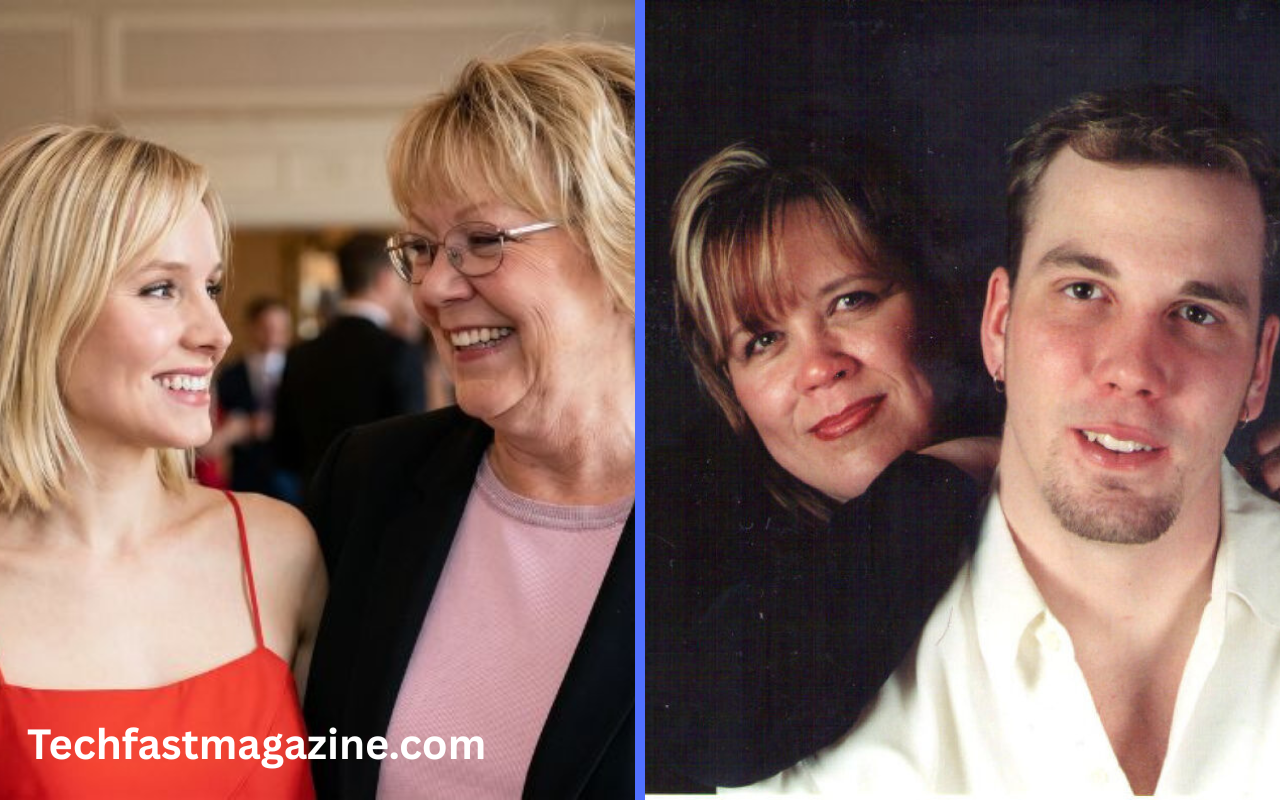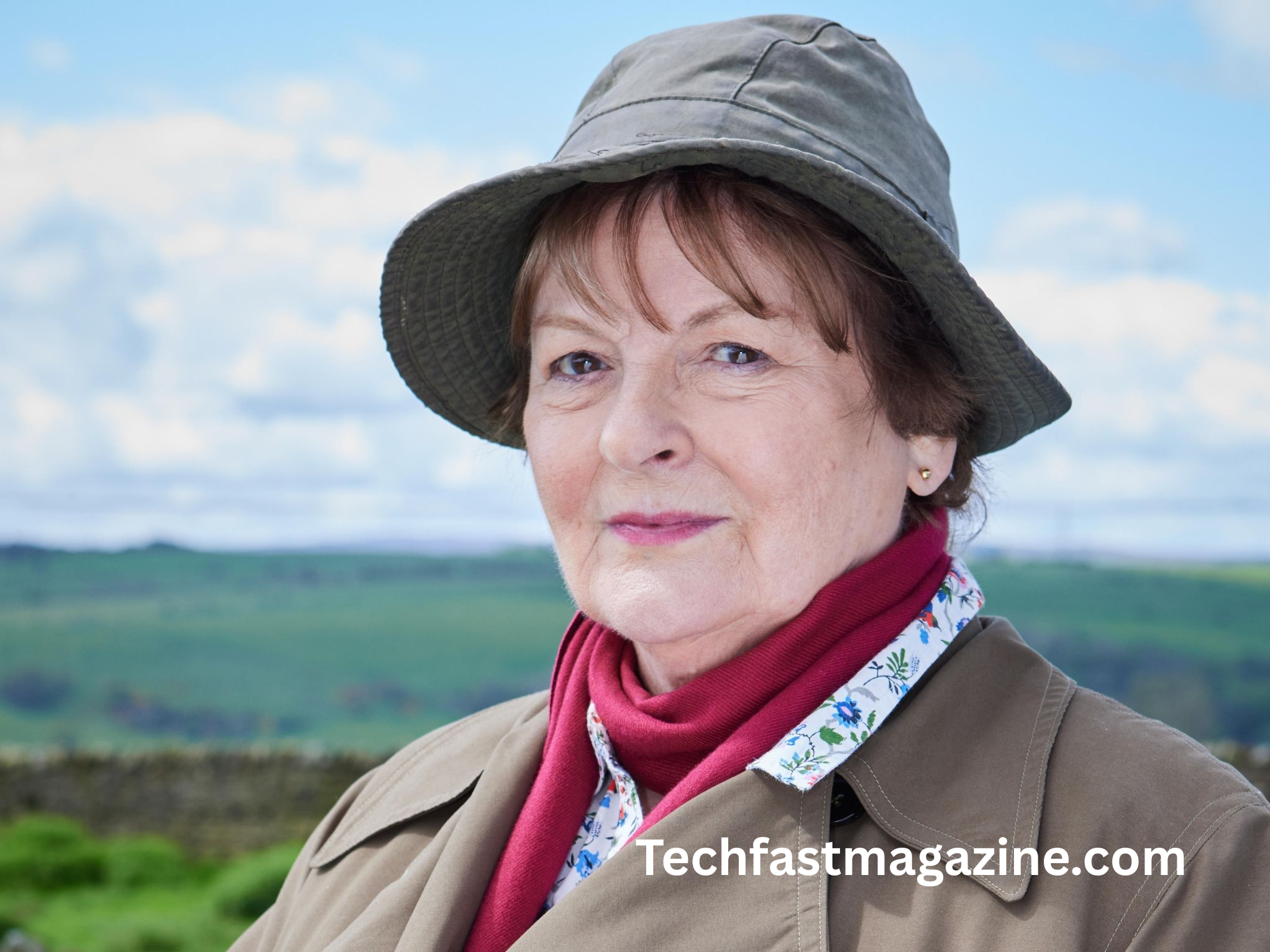
Introduction
Have you ever heard a name that stopped you in your tracks? For those who followed British art and grassroots activism, the name Julie Burnell 1957-2023 carries that exact weight. It whispers both creative brilliance and heartbreaking loss. I first stumbled across her work in a small gallery in the Lake District. One painting. Then another. Each piece felt like a conversation you were not ready to finish. Julie Burnell lived a life of vivid color and deep shadow. This article walks you through her rise, her quiet battles, and the legacy she left behind. You will learn about her most famous projects, her struggles with mental health, and why her work still matters today. Whether you are an art lover or just curious about unique lives, her story offers something real. Let us explore who Julie Burnell truly was.
Who Was Julie Burnell? A Quiet Force in British Art
You might not find Julie Burnell’s name in every mainstream art history book. But among collectors and fellow artists, she was a quiet legend. Born in 1957 in Yorkshire, England, she grew up surrounded by moorland and grey skies. That landscape shaped her early work. She painted what she saw: sheep farms, rainy windows, and the lonely curve of country roads. Yet her style evolved quickly. By her twenties, Julie Burnell had moved to London. There, she discovered abstract expressionism. She began mixing thick oils with found objects like old lace and rusted nails. The result was strange, beautiful, and deeply personal.
People who knew her describe a woman of few words. She let her canvases speak. And they spoke loudly. Julie Burnell 1957-2023 produced over four hundred works in her lifetime. Only two hundred survive today. Some were lost in a studio fire. Others she destroyed herself. That self criticism was part of her process. She once told a friend, “If it doesn’t hurt to make it, it’s not honest.” That honesty became her trademark.
The Breakthrough Exhibition That Changed Everything
In 1998, Julie Burnell held her first major solo show in Manchester. The venue was a repurposed textile mill. Rough concrete floors. Leaky roof. Not glamorous at all. Yet critics flocked there. Why? Because she filled that space with emotion. One series called “Washing Lines” showed faded shirts and dresses blowing against brick walls. Each piece included a handwritten memory pinned to the frame. Visitors cried. Some returned three or four times. That exhibition sold out within two weeks.
After that, her life seemed to take off. Galleries in Edinburgh and Bristol called. A small museum in Berlin requested a collaboration. For a few years, Julie Burnell enjoyed the kind of success many artists only dream about. She bought a small cottage near the Scottish borders. She adopted two rescue dogs. Her letters from that time sound joyful and grounded. But beneath the surface, trouble was growing.
The Hidden Struggle Mental Health and Creative Burnout
We like to think success fixes everything. It does not. For Julie Burnell 1957-2023, the years after her breakthrough brought intense pressure. Dealers wanted more “Washing Lines” style work. She wanted to evolve. So she started a new series called “Unseen Rooms.” These paintings explored domestic isolation. Dark hallways. Empty chairs. A sink full of cold tea. The mood was heavy and melancholic. Collectors did not know what to make of it. Sales dropped. One gallery dropped her entirely.
That rejection hit Julie hard. She had always been sensitive. Now she began withdrawing from friends. Her letters grew shorter. Some stopped altogether. By 2005, she rarely left her cottage. When a journalist visited her that year, he found her surrounded by unfinished canvases. She had stopped eating regularly. Her hair was unwashed. She talked about silence as if it were a person living with her.
I have seen this happen to other talented people. The drive to create can turn into a trap. Julie Burnell did not need fame. She needed stability and connection. But she pushed everyone away. For the next fifteen years, she worked in almost complete obscurity.
Rediscovery and a Late Career Renaissance
Then something unexpected happened. In 2018, a young curator named Samira Khan found Julie’s early work online. Samira tracked her down to that same Scottish cottage. She found Julie frail but still painting. Her newer work was even stranger. She had started using coffee grounds, ash, and crushed dried flowers. The colors were muted but the textures were explosive. Samira convinced her to let four pieces hang in a group show in Glasgow.
That show became a turning point. Art bloggers wrote about the “mystery woman from the borders.” Instagram posts of her work went viral within a week. A gallery in London offered her a two person show next to a well known contemporary artist. Julie Burnell 1957-2023 attended the opening. It was her first public appearance in over a decade. She wore a simple black dress and stood near the exit the whole night. But she was smiling.
That late career renaissance lasted five years. She completed thirty seven new paintings. One of them, “The Kettle Always Whistles at Midnight,” sold for twelve thousand pounds. More importantly, she reconnected with her older sister Margaret. They had not spoken for eight years. Margaret told a local paper, “She came back to us. Not fully, but enough. Enough to say I love you.”
The Final Year Illness, Reflection, and Farewell
In early 2022, Julie Burnell was diagnosed with pancreatic cancer. She chose not to undergo aggressive treatment. Instead, she spent her remaining months organizing her studio. She gave away dozens of pieces to young artists and local schools. She also burned a small number of works. That shocked some fans. But she explained it in a rare interview: “Some things were only for me. Now they are gone. That is fine.”
She died on a cold morning in February 2023. Her sister was holding her hand. The art world learned of her passing through a short Facebook post from a friend. No big press release. No auction house tribute. Just quiet news for a quiet artist. But then the tributes poured in. Fellow painters shared photos of her work. Collectors wrote long threads about her influence. One museum in Sheffield announced a retrospective for 2025.
Artistic Legacy What Julie Burnell Left Behind
You might ask: Why does Julie Burnell 1957-2023 still matter? Three reasons stand out.
First, she proved that obscurity does not equal failure. She spent decades away from the spotlight but never stopped making art. That dedication inspires many younger artists today. They see her as proof that you can follow your own path without chasing likes or gallery deals.
Second, her later work opened a conversation about mental health in creative fields. Julie never hid her struggles. She simply painted them. That honesty helps remove shame from depression and isolation. Several art therapy programs now use her pieces as teaching examples.
Third, her technical innovations were real. Mixing organic materials like ash and dried plants into oil paint was unusual. Other artists have since adopted similar methods. So her influence lives on in studios you have never heard of. And that might be exactly how she wanted it.
Here is a quick breakdown of her most significant series:
How to Experience Her Work Today
You cannot simply go to one permanent Julie Burnell collection. Her pieces are scattered across private homes and small galleries. But here is how you can still experience her art.
Check the online archive run by her estate. It launched in late 2023. It includes high resolution images of over one hundred fifty works. The site also has audio clips of Julie discussing her process. Her voice is soft and sometimes funny.
Visit the 2025 retrospective in Sheffield. The Graves Gallery will host it from March to June. Twenty eight original pieces will be on display. There will also be a recreation of her Manchester exhibition space.
Look for charity auctions. Her sister Margaret occasionally donates small sketches to mental health organizations. These go for reasonable prices. You could own a genuine Julie Burnell for under five hundred pounds.
Follow the Instagram account @BurnellLegacy. It posts rarely but beautifully. Each post includes a story about a specific painting. No ads. No drama. Just art.
Lessons from a Complicated Life
What can you take away from Julie Burnell’s story? Several things. First, success and happiness are not the same thing. She had both at different times. They rarely overlapped. Second, creating something honest often costs more than people see. That does not mean you should stop. It means you should build support systems around you. Julie did not. And she suffered for it.
Third, it is never too late for a comeback. She was sixty one when Samira found her. She still produced stunning work in her final years. So if you feel stuck or forgotten, remember her. A late chapter can still be a beautiful one.
Finally, we need to talk about endings. Julie Burnell 1957-2023 chose a quiet death. She rejected dramatic farewells. That choice bothered some fans. But it was her choice. And respecting an artist’s wishes is part of respecting their work.
Conclusion
Julie Burnell 1957-2023 lived a life of sharp contrasts. Joy and sadness. Fame and isolation. Creation and destruction. Her paintings ask you to sit with those contradictions. They do not offer easy answers. But they offer company. And sometimes that is enough. If you take one thing from this article, let it be this: pay attention to the quiet artists around you. They might be making something that will matter long after they are gone. Have you ever discovered an artist whose work felt like a secret? I would love to hear about them. Share this article with a friend who loves hidden gems. Or go look up Julie Burnell’s “Sunday Shirt” right now. You will not regret it.
Frequently Asked Questions
1. What is Julie Burnell 1957-2023 best known for?
She is best known for the “Washing Lines” series and her later textured works using ash and dried flowers. Her most famous single piece is “The Kettle Always Whistles at Midnight.”
2. Why did she destroy some of her own paintings?
Julie destroyed paintings she felt were too personal or not honest enough. She believed some art was meant only for the artist. Destroying it was a way to let go.
3. Where can I buy original Julie Burnell art?
Original pieces occasionally appear at small UK auctions and charity sales. The Burnell estate also lists verified pieces on their website. Prices range from four hundred to twelve thousand pounds.
4. Did Julie Burnell have any formal art training?
Yes. She studied at Leeds College of Art from 1975 to 1978. However, she often said her most important teacher was the Yorkshire landscape itself.
5. Was Julie Burnell married or did she have children?
No. She never married and had no children. She once said her paintings were her “only dependents.”
6. What caused her death in 2023?
She died from pancreatic cancer. She chose palliative care over chemotherapy or surgery.
7. How many paintings did Julie Burnell create in total?
She created over four hundred paintings. Around two hundred still exist. The rest were lost or destroyed.
8. Is there a documentary about her life?
A short documentary called “The Kettle Whistles” was released in 2024. It runs forty five minutes. You can find it on the Burnell estate website and Vimeo.
9. What style of art did Julie Burnell practice?
She started with figurative landscape painting. She moved into abstract expressionism. Her later work is often described as “textural memory art.”
10. How can young artists learn from Julie Burnell?
Young artists can learn her commitment to honesty over trends. They can also learn the importance of community. Her loneliness hurt her work in the end. Do not isolate yourself.